
 Last Updated – 09-23-2026
 Read Time – Est:

Are you looking for an offshore asset protection lawyer in Washington, DC?
At Calvary International Law PLLC, we provide trusted offshore asset protection counsel for individuals, families, and business owners throughout Washington, DC.
If you have built wealth in Washington, DC and worry that a lawsuit, a business dispute, or a future creditor could reach it, the time to act is before any claim exists. Planning done early is lawful and durable. Planning done late rarely survives a challenge.
Our Washington, DC offshore asset protection lawyer designs foreign trust and entity structures for clients with assets or ties in more than one country. At Calvary International Law PLLC, our founder brings more than 12 years of legal experience to international asset protection work. Contact our office to discuss your situation confidentially.
Offshore Asset Protection Lawyer Washington, DC
An offshore asset protection lawyer places assets under the law of a foreign jurisdiction whose courts do not readily enforce United States judgments. The typical vehicle is an irrevocable trust administered by a trustee outside the country. A creditor who wins in a District courtroom must then start over abroad, under rules written to favor the trust. Several of these jurisdictions also give creditors very little time to bring a claim at all.
That matters more here than in many cities. The District’s population is 14.3 percent foreign-born, according to Census Bureau QuickFacts, and many of our clients already hold property, accounts, or family interests overseas. Offshore planning in Washington, DC often starts with assets that are international to begin with.
Types of Offshore Asset Protection Cases We Handle in Washington, DC
Offshore work is rarely a single document. Most engagements combine a trust, one or more entities, and a banking relationship, all coordinated with the client’s tax reporting. The right mix depends on what you own, where it sits, and how much risk you carry. The services below reflect the matters that come through our Washington, DC office most often.
- Offshore trusts. We draft irrevocable foreign trusts and select the governing jurisdiction, the trustee, and a trust protector. The structure suits people with ongoing liability exposure, such as physicians, founders, and landlords.
- Cook Islands trusts. The Cook Islands remain the most tested offshore jurisdiction for creditor protection. We use this structure when a client’s risk profile is high and the assets are liquid. Its courts apply a demanding standard of proof to creditors, and a claimant must litigate locally.
- Nevis trusts. Nevis offers strong protection with somewhat different procedural rules and costs. For some clients it is the better fit, and we explain the trade-offs before anything is signed. Setup and annual trustee fees tend to run lower than in the Cook Islands.
- Offshore banking. A trust needs somewhere to hold its assets. We help establish custody and banking relationships abroad and structure them to meet United States reporting rules. Choosing an institution that will actually accept American clients is half the task.
- Real estate asset protection. Real property cannot move offshore, but ownership can be restructured. We separate rental and investment property into entities so that a claim tied to one building stays with that building. The entity interests can then be held by the trust.
- Business formation. Many plans use a limited liability company owned by the trust, which lets the client manage investments day to day while ownership sits offshore. We form and document these entities from the start. Clean records keep the entity respected if a creditor ever challenges it.
- International tax planning. A foreign trust owned by a United States person is generally transparent for income tax purposes. It changes where assets sit, not what the client owes. We build the compliance calendar into the plan.
- Exit tax and pre-expatriation planning. Clients leaving the United States, or arriving, face distinct timing questions. We sequence protection with the move so one does not undercut the other. Getting the order wrong can trigger tax on both ends.
Why Choose Calvary International Law PLLC as my Offshore Asset Protection Lawyer in Washington, DC?
Cross-Border Practice Grounded in the District
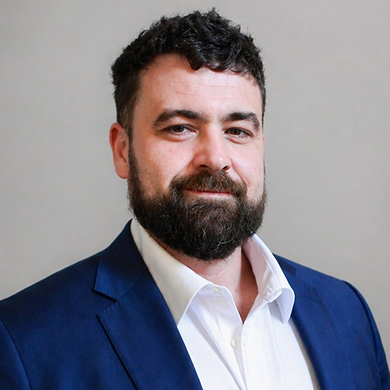
Yonathan Amselem founded Calvary International Law PLLC to give families and business owners with interests in several countries access to senior-level international counsel. He has been a member of the D.C. Bar since 2014 and earned his J.D. from the University of Miami School of Law in 2013.
Mr. Amselem’s practice covers international tax, cross-border estate planning, global wealth structuring, and international asset protection. Clients receive direct senior-level representation. He works in English and Spanish, and his practice also includes pre-immigration planning for clients relocating to the United States. Mr. Amselem has also volunteered with USAID humanitarian relief efforts following the Southeast Asian tsunami, work that reflects a long-standing interest in problems that cross borders.
One Plan Instead of Three
Offshore protection only works when it agrees with the rest of your documents. Because we also handle purely domestic asset protection, we can tell you when an offshore trust is warranted and when it is not. Where it is, we coordinate the structure with your will, your trusts, and any estate planning documents you hold abroad, so nothing contradicts anything else. Sometimes the honest answer is that insurance, entity planning, and a domestic trust cover the risk at a fraction of the cost. We say so when that is the case.
Understanding Offshore Asset Protection Cases
Key Offshore Asset Protection Structures and What They Do
- Foreign asset protection trust: An irrevocable trust governed by the law of a protective jurisdiction and managed by a licensed foreign trustee.
- Trust protector: A person, often a trusted advisor, with authority to replace the trustee or move the trust to another jurisdiction.
- Offshore LLC: An entity owned by the trust that holds investments, letting the client act as manager until a threat arises.
- Duress provision: A clause directing the trustee to disregard instructions given under a court order.
- Foreign custody account: A brokerage or bank account opened in the trust’s name outside the United States.
- Domestic bridge structures: Arrangements that begin under United States law and move offshore only if needed.
What Are Important Aspects of an Offshore Asset Protection Case?
When an offshore plan fails in court, the cause is usually timing, not the trust document itself. Compliance mistakes come a close second.
- A transfer made after a claim arises, or while a lawsuit is foreseeable, can be reversed. Protection has to be in place first.
- The District does not protect a trust that you create for your own benefit from your own creditors. That gap is the main reason District residents look beyond domestic asset protection strategies.
- You should remain solvent after funding the trust. Transferring everything is a warning sign to any court.
- Foreign accounts and trusts carry annual federal filings, including the FBAR and the foreign trust returns on Forms 3520 and 3520-A. Missed filings create penalties that have nothing to do with creditors.
What Is the Offshore Asset Protection Case Timeline?
A standard engagement runs several weeks from first meeting to funding. Jurisdictions with more due diligence take longer, and so do plans that involve real estate or operating businesses.
- Risk review. We look at your assets, your exposure, and any claims already on the horizon.
- Jurisdiction and design. We compare options, and a Cook Islands vs. Nevis analysis is often part of this step.
- Drafting and trustee onboarding. The trustee completes its own know-your-client review.
- Funding. Accounts are opened, entities are formed, and assets are retitled.
- Ongoing compliance. Annual reporting and periodic reviews keep the structure effective.
What Should You Bring to Your Offshore Asset Protection Consultation?
The more complete the picture, the more useful the first meeting.
- A list of assets with approximate values and how each is titled
- Your current will, trust documents, and beneficiary designations
- Operating agreements for any businesses or holding entities
- Statements for foreign accounts and copies of prior FBAR or Form 3520 filings
- A summary of any pending, threatened, or likely claims
We will walk through your exposure and tell you plainly whether an offshore structure makes sense. You will leave with a clear sense of whether the plan is worth pursuing and what it would involve.
Washington, DC Courts and Local Resources
Creditor lawsuits and judgments in the District are handled by the Superior Court Civil Division, which is where a judgment against you would typically be entered and enforced. The court’s Multi-Door Dispute Resolution Division also offers mediation, which can resolve a creditor dispute before it reaches judgment. District entity registrations and biennial reports go through the DLCP Corporations Division.
Estate and fiduciary tax questions fall under the Office of Tax and Revenue, which publishes estate and fiduciary guidance for District filers. An offshore trust does not remove assets from your taxable estate automatically, so the District estate tax still needs attention in the design.
Reach Out to Calvary International Law PLLC to Schedule a Consultation
Offshore protection has to be built before you need it. Our Washington, DC offshore asset protection lawyer will review your assets, identify real exposure, and give you a straight assessment of which structures fit. Every consultation with Calvary International Law PLLC is confidential, and we advise clients with assets and interests in several countries as well as those rooted here in the District. Contact us to schedule a time to speak with our office.
Contact Us Today
Communications submitted through this form are not protected by the attorney-client privilege until a written engagement agreement is signed. Please do not include sensitive or time-critical information in your initial message.
Calvary International Law
- 1763 Columbia Road NW, Suite 175 Washington, DC 20009
- New Clients: (771) 223-1419
- Existing Clients: (202) 888-7160