 Last Updated – 10-15-2026
 Read Time – Est:

Are you looking for an offshore banking lawyer in Washington, DC?
At Calvary International Law PLLC, we are committed to thorough preparation in every offshore banking matter we handle.
If you keep accounts overseas, plan to open one, or hold authority over a foreign account, U.S. reporting rules apply and the penalties for errors are steep. Our Washington, DC offshore banking lawyer can help you set up and maintain foreign accounts the right way, with full attention to compliance. We advise on where to bank, how to hold the assets, and what you must report each year. Calvary International Law PLLC serves individuals, families, and business owners with financial interests outside the United States. Contact our office to review your situation.
Offshore Banking Lawyer Washington, DC
Offshore banking means holding accounts or financial assets at institutions outside the United States. It is fully legal when done openly and reported correctly. Problems arise only when accounts are concealed, because federal law requires U.S. persons to disclose foreign holdings.
The District’s economic output tops $200,000 per resident, the highest of any U.S. jurisdiction, according to BEA state figures. Much of that wealth belongs to people and businesses with financial ties abroad. A Washington, DC offshore banking attorney can help you open, hold, and report foreign accounts within the law. Diversification, currency access, and holding funds near foreign property or family are all lawful reasons to bank abroad.
Types of Offshore Banking Matters We Handle in Washington, DC
Offshore banking is more than opening an account. It ranges from choosing a bank and a jurisdiction to meeting the reporting rules that follow every year. These are the matters we handle most often for clients in the District.
- Opening foreign accounts. We help clients open accounts at banks outside the United States and choose a jurisdiction that fits their goals. We prepare the paperwork the bank requires and the disclosures U.S. law requires. The right jurisdiction depends on your goals, whether that is diversification, currency access, or proximity to foreign property.
- Offshore trusts. We set up and maintain accounts held by or for foreign trusts. The account and the trust have to work together and report correctly. A foreign trust can hold accounts that a creditor cannot easily reach.
- Offshore asset protection. We use foreign accounts as part of a lawful protection structure. Where you hold assets can add distance between them and a future claim. We choose banks and jurisdictions that respect that protection.
- Foreign account custody. We advise on how accounts and assets are held abroad, including which institution and structure to use. Custody choices affect both control and reporting, and the wrong arrangement can expose an account to claims or unnecessary tax.
- Foreign account reporting. We prepare the annual disclosures that foreign accounts and assets require. Missed or late filings can carry heavy penalties, so we track every deadline. We also correct earlier filings when something was missed.
- Business and entity accounts. We handle foreign accounts for companies, holding structures, and their owners. This includes coordinating each account with the entity behind it, since foreign subsidiaries and holding companies often need their own banking.
- Voluntary disclosure. We bring past unreported accounts into compliance and limit the exposure that follows. Coming forward is almost always better than waiting to be found. We assess the options and handle the filings that bring you current.
Why Choose Calvary International Law PLLC as My Offshore Banking Lawyer in Washington, DC?
Offshore Banking Handled Lawfully
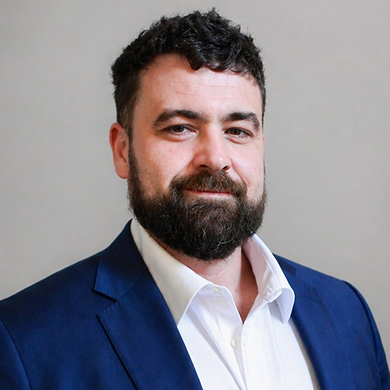
Our founder, Yonathan Amselem, has practiced since 2014 and focuses on international tax, offshore structuring, and cross-border compliance. He guides individuals, families, and business owners who hold or plan to hold assets abroad. He is admitted to the District of Columbia Bar, earned his law degree at the University of Miami School of Law, and is bilingual in English and Spanish. We open and report foreign accounts with full compliance, never to conceal assets, which protects clients from the penalties that follow undisclosed accounts. He has also volunteered with USAID humanitarian relief efforts.
Accounts Aligned With Your Wider Plan
Offshore banking works best as one part of a larger strategy. Our asset protection lawyer in Washington, DC sets the structure your accounts fit into, and we coordinate the banking with your estate and tax planning. For business owners, that can include business succession planning, so accounts and ownership move together. The result is a set of accounts that serve a clear purpose, not a loose collection of holdings abroad. Each account carries the documentation and reporting it needs from the start.
Understanding Offshore Banking Cases
Key Elements of Lawful Offshore Banking
A compliant offshore arrangement rests on a few elements. Each one affects whether the plan is sound and whether it stays out of trouble.
- Jurisdiction. The country and bank you choose affect stability, privacy, and cost. Some countries offer stronger banking privacy than others, within legal limits.
- Custody. How the account is titled and held determines control and protection, including accounts held through trusts.
- Reporting. U.S. persons must disclose foreign accounts and certain assets each year, whether or not the account earns income.
- Tax treatment. Income earned abroad is generally still taxable in the United States, and large foreign holdings can affect estate tax as well.
- Substance. Regulators look at whether an arrangement serves a real purpose beyond avoiding tax. An account with no purpose except secrecy invites scrutiny.
What Is the Offshore Banking Case Timeline?
The timeline depends on the jurisdiction and the bank’s own process. A straightforward account can be arranged in a few weeks, while banks with strict onboarding take longer.
- Review of your goals, assets, and residency.
- Selection of a jurisdiction and institution.
- Preparation of the account and any holding structure.
- Opening and funding of the account.
- Ongoing reporting and annual compliance.
We keep you informed at each step and flag any bank requirement early.
What Should You Bring to Your Offshore Banking Consultation?
A useful first meeting starts with a clear view of your finances and your goals. Please gather the following:
- A summary of your assets, income, and where they are held.
- Your citizenship and residency history.
- Details of any existing foreign accounts or entities.
- Records of any foreign-account reporting you have filed.
- Your reasons for wanting to bank or hold assets abroad.
We will tell you at the meeting whether an offshore account fits your situation or whether a domestic option is better.
What Are Important Aspects of an Offshore Banking Case?
An offshore account only helps you if it is legitimate and reported correctly. Opened for a lawful purpose and disclosed on time, it is a sound tool, especially as part of a wider asset protection strategy. Kept off the books, it becomes a liability that grows over time. Regulators and banks now share account information across borders, so secrecy is far weaker than it once was, and a lawful, reported account is the only sound approach. Rules also change, so we review existing accounts as carefully as we set up new ones.
Washington, DC and Federal Resources
The federal agencies that govern foreign-account reporting are based in the Washington, DC area. Foreign accounts are reported to FinCEN, the IRS publishes its own FBAR guidance, larger foreign holdings are disclosed under foreign asset reporting, and accounts held through foreign trusts follow separate rules. We handle these filings as part of opening and maintaining your accounts.
Reach Out to Calvary International Law PLLC to Schedule a Consultation
Contact us to speak with our Washington, DC offshore banking lawyer. We will look at your accounts and goals, explain what the law requires, and map out the steps to bring everything into order. Calvary International Law PLLC works with individuals, families, and business owners who hold assets abroad. Handled openly and reported correctly, an offshore account is a legitimate part of a sound financial plan.
Offshore Banking Statistics in Washington, DC
 Washington, DC is home to foreign embassies, the World Bank, the International Monetary Fund, and a large number of residents who were born abroad or have worked overseas. Many of them keep an account in another country for ordinary reasons. Some inherited it. Others opened it during a foreign posting and never closed it.
- According to Census Bureau QuickFacts, 14.3% of District residents were born outside the United States.
- The same Census data shows that 19.1% of residents age five and older speak a language other than English at home.
- Approximately 185 countries maintain foreign missions in Washington, according to the National Capital Planning Commission.
- FinCEN received 1,503,807 foreign account reports in 2022, according to a Federal Register notice.
- Individuals filed 1,434,362 of those reports, and entities filed the remaining 69,445.
These figures show how common foreign accounts are and how closely the government tracks them. An offshore banking attorney in Washington, DC reviews how each account is titled, who has signature authority over it, and which annual reports apply. Clients with money abroad usually need international tax planning as well, because income earned overseas still belongs on the U.S. return. We handle both together. A foreign account that is opened for a real purpose and reported every year is lawful. An unreported one is a liability, and the exposure grows each year it remains that way.
Questions to Ask an Offshore Banking Lawyer Before Hiring
The lawyer you hire will see your full financial picture and will influence how your accounts are held for years. The answers to these questions show whether a firm does this work regularly and does it within the law.
- Do you handle the reporting as well as the account opening? Opening the account is the short part. The annual reports last as long as the account does, so a firm should tell you who prepares them and who tracks the deadlines. We coordinate every filing with a CPA.
- Which banks and jurisdictions do you work with? A lawyer should explain why a country fits your goals and should not push a single option. Our offshore banking and custody work introduces clients to established institutions in several jurisdictions. The bank makes its own decision on every application.
- How will the account be titled? An account can be held personally, through a company, or through a structure such as a Cook Islands trust. Each choice changes who controls the funds, how well they are protected, and what must be reported.
- Can you form the entity that will hold the account? Many foreign banks will open a business account only for a company with clean formation documents and a clear ownership record. Our business formation work is done with the bank’s requirements in mind.
- What happens to the account if I die or become incapacitated? A foreign bank may not honor a U.S. will or power of attorney without extra steps. We address this through cross-border estate planning so that your family can reach the funds.
- What should I do about an account I never reported? Ask this directly. A lawyer should explain each path to compliance and its risks before anything is filed. What you tell your attorney is confidential.
- What changes if I move abroad? Residency affects taxes, reporting, and which banks will accept you. Clients who relocate often need expat estate planning at the same time.
- Do you work with my other advisors? Offshore banking involves foreign trustees, formation agents, and accountants. We coordinate with all of them directly and deliver an implemented plan, not a standalone legal opinion.
- Who does the work, and how do you bill? Our founder, Yonathan Amselem, handles offshore banking matters himself. Our engagements are almost uniformly structured as flat fees.
Washington, DC Offshore Banking Lawyer FAQs
Is Offshore Banking Legal for U.S. Citizens?
Yes. A U.S. citizen or resident may hold accounts in other countries as long as the accounts are disclosed and the income is reported. The trouble comes from concealment, not from the account itself.
How Much Does an Offshore Banking Attorney in Washington, DC Cost?
Our engagements are almost uniformly structured as flat fees. The amount depends on the number of accounts, the jurisdictions involved, and whether a trust or company will hold them. We quote the fee before any work begins.
Do You Offer Free Consultations?
We do. The first consultation is free, and it is a working meeting. Our Washington, DC offshore banking attorney reviews what you hold, where you hold it, and what you want the accounts to accomplish.
Does an Offshore Account Lower My U.S. Taxes?
No. The United States taxes its citizens and residents on worldwide income, so interest and gains earned abroad are still reported here. People bank offshore for diversification, currency access, and asset protection.
Can a Foreign Bank Refuse to Open My Account?
It can. Every reputable bank runs its own due diligence, and some decline American clients altogether. Our offshore banking lawyer in Washington, DC tells you candidly where you are likely to be accepted before you apply.
Do I Have to Travel Abroad to Open an Account?
Often you do not. Many banks accept certified and apostilled documents, and some hold a video interview. A few still require a visit in person. Our offshore banking lawyer prepares the documents each bank requires.
Can My Business Hold an Offshore Account?
Yes. Companies with foreign customers, suppliers, or subsidiaries often need one. Our DC offshore banking lawyer coordinates the account with the entity behind it, and many of these accounts are opened as part of a cross-border business transaction.
What If I Inherited a Foreign Account?
Reporting duties can begin in the year you gain an interest in the account. The executor handling the estate administration may have separate obligations. The account may also pass under the law of the country where it sits, which is a question for international estate planning.
Are Offshore Accounts Protected From Creditors?
An account in your own name gets little protection, because a U.S. court can order you to bring the money back. Protection comes from the structure that owns the account. A Washington, DC trust attorney at our firm can explain the options.
Which Records Should I Keep for a Foreign Account?
Keep every statement, the account opening documents, and a copy of each report you file. Good records make the annual filings routine. They also answer most questions a bank or agency asks later.
Important Resources for Washington, DC Offshore Banking Cases
Washington, DC Federal Offices and Local Resources for Offshore Banking
Several offices that affect foreign accounts are located in the District. The State Department’s Office of Authentications at 600 19th Street NW issues apostilles for federal documents, which foreign banks often request. The District handles locally notarized documents through a separate office. Treasury’s Office of Foreign Assets Control publishes the sanctions programs that limit where a U.S. person may bank. An offshore banking lawyer in Washington checks each of these before an application is filed.
What Are Important Local Resources for Washington, DC Offshore Banking?
These offices handle documents and questions that come up when a client opens or reports a foreign account.
- The District’s Notary and Authentications office authenticates documents notarized in DC and can be reached at (202) 727-3117.
- The FinCEN Regulatory Support Section answers questions about foreign account reports at 1-800-767-2825.
- The Taxpayer Advocate Service helps taxpayers resolve problems with the IRS at 1-877-777-4778.
Calvary International Law PLLC does not endorse these offices or their services. We list them for convenience only.
About Calvary International Law PLLC
Calvary International Law PLLC begins every engagement with an analysis of the client’s assets, jurisdictional exposure, and long-term objectives, and only then recommends a combination of domestic and offshore entities. Founder Yonathan Amselem holds a bachelor’s degree from Florida International University and took part in humanitarian relief after the Southeast Asian tsunami.
In one engagement, we designed a protection and succession framework for a married couple with more than $80 million in combined assets, built around a domestic asset protection trust that can shift to a Cook Islands LLC under a foreign institutional trustee. The firm’s measure of success is a client who is never sued and never faces surprise tax exposure.
Additional Resources for Washington, DC Offshore Banking Cases
- Beneficiary Designations And What You Need to Know
- Power of Attorney in Washington DC
- When Should You Update Your Estate Plan?
- What Is Estate Planning and Why Do You Need It?
Contact Calvary International Law PLLC
If you hold a foreign account, plan to open one, or have a past account to bring into compliance, speak with a Washington offshore banking attorney at Calvary International Law PLLC. Consultations are free, and our engagements are almost uniformly structured as flat fees. At the first meeting, we review your accounts, your goals, and any filings already made, and then we explain the steps we recommend. Contact us to schedule a time that works for you.